


Beyond the Movement: The Physical Benefits of Dancing Salsa
A deep dive into the cardiovascular, muscular, and neurological benefits of salsa dancing — and why The Moreno Method maximizes every physiological gain.
4/17/20261 min read
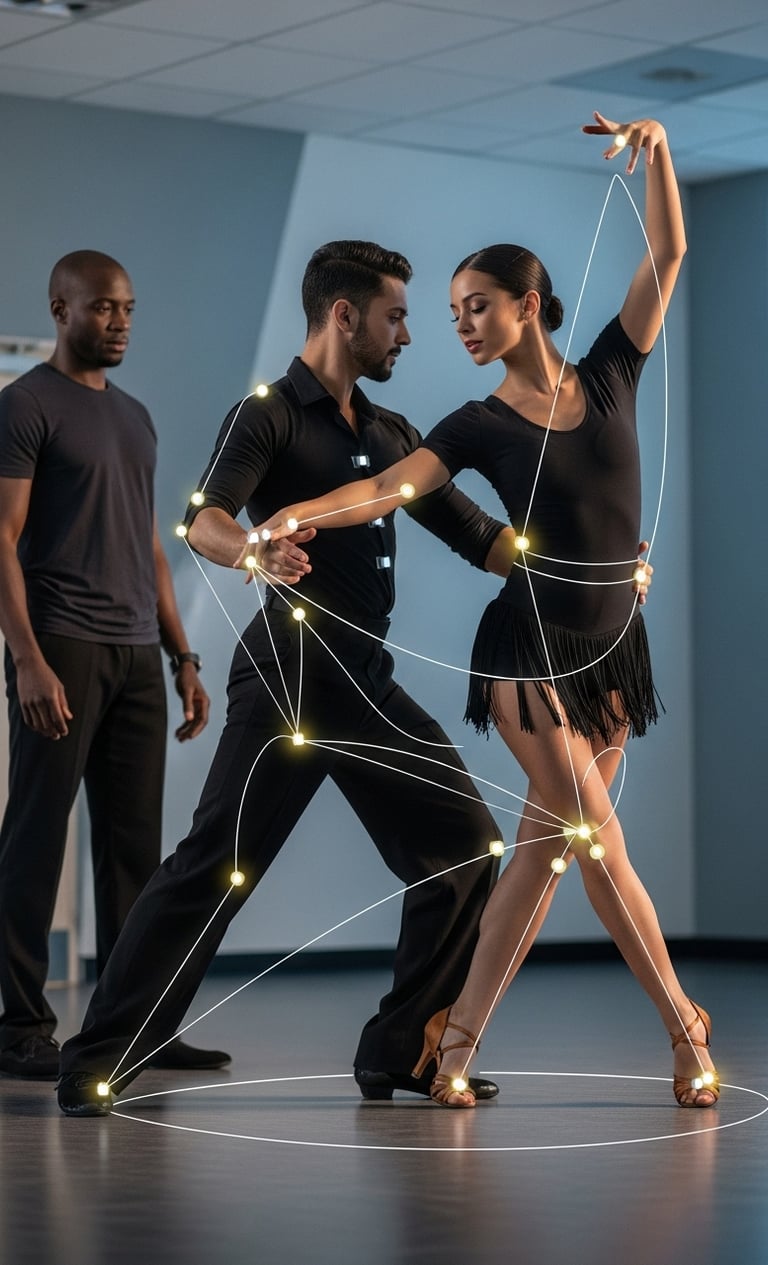
Salsa dancing is not just an art form — it is a complete physical training system.
Research published in the Journal of Aging and Physical Activity demonstrates that regular Latin dance participation increases VO2 max by 12-17%, improves balance and spatial orientation by 40%, and strengthens 87% of the body’s major muscle groups — all within a single session.
THE CARDIOVASCULAR SYSTEM
A 30-minute salsa session can burn between 200-400 calories while elevating the heart rate into the target aerobic zone. The syncopated rhythms and direction changes create interval-training-like cardiovascular stimulus without the mechanical stress of running or high-impact exercise.
THE NEUROMUSCULAR SYSTEM
Salsa demands constant proprioceptive recalibration. Every turn, every weight shift, every partner connection requires the central nervous system to process spatial information, initiate motor commands, and adjust in real time. This is elite neuromuscular training — disguised as dance.
THE MORENO METHOD ADVANTAGE
Through clinical biomechanics, we isolate the exact mechanical inputs that generate the greatest physiological return. Your training is not random — it is engineered for peak output, longevity, and measurable performance gains at every age.
Beyond the Movement: The Physical Benefits of Dancing Salsa
(+1) 561 657 74 48
luis@themorenomethod.com
CONNECT
LAB HQ
Palm Beach, FL. — Global Online Reach